
Professional Resume Writings have become essential tools for job seekers who want to stand out in an increasingly competitive market. A well-crafted resume is more than a list of jobs and responsibilities—it’s a strategic document that tells your professional story, highlights your strengths, and positions you as the ideal candidate. Whether you’re a recent graduate, a mid-career professional, or a seasoned executive, understanding how to build a powerful resume can significantly improve your chances of getting noticed.
—
Why Professional Resume Writings Matter
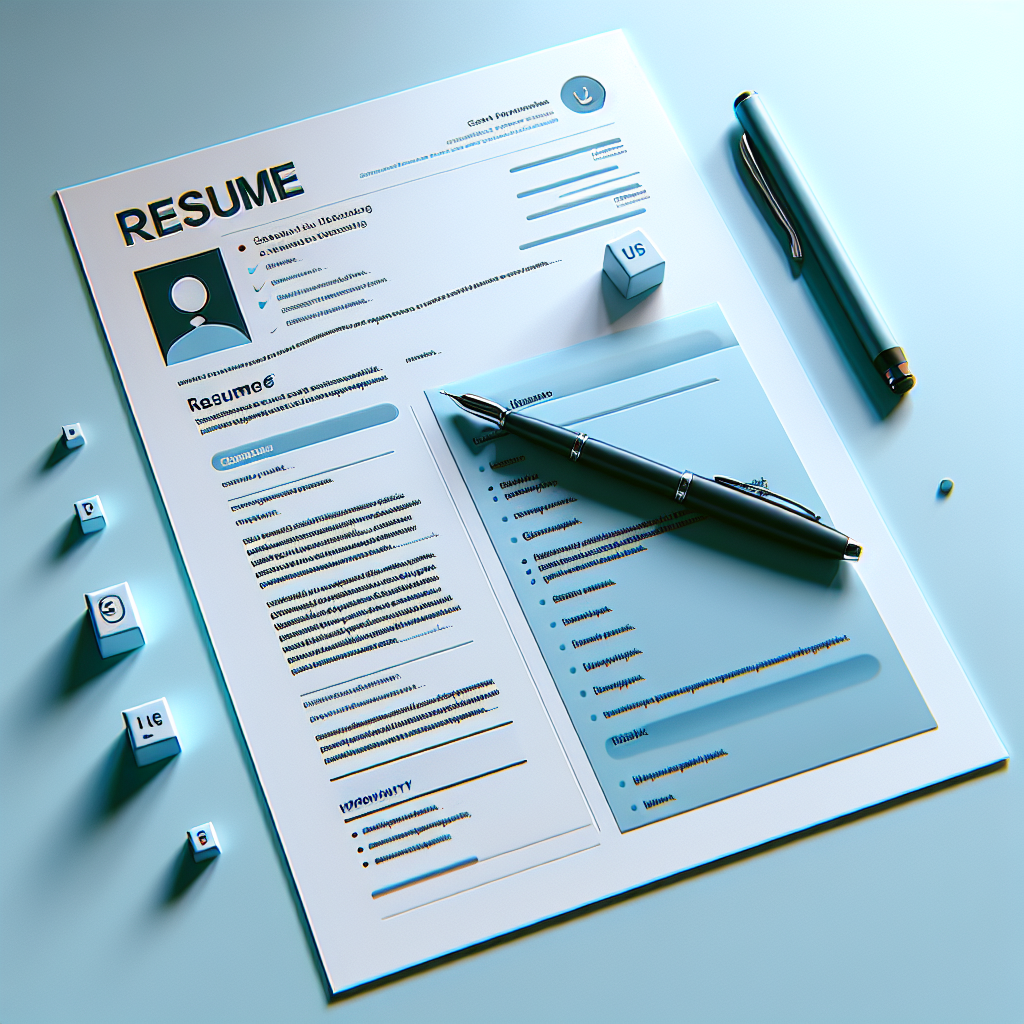
Your resume is often the first impression a hiring manager or recruiter gets of you. In many cases, it’s scanned for just a few seconds before a decision is made to read further or move on. That means your document has to be clear, targeted, and visually easy to scan.
Strong, professional resumes can:
– Pass applicant tracking systems (ATS) that scan for keywords
– Highlight your most relevant qualifications and achievements
– Communicate your value quickly and clearly
– Increase your chances of being shortlisted for interviews
When approached with intention, your resume becomes a marketing tool rather than a simple career history.
—
Key Elements of Professional Resume Writings
To build an effective resume, it’s important to understand and optimize its core sections. While formats may vary slightly depending on industry or experience level, most professional resumes include the following components:
1. Contact Information
At the top of your resume, clearly present:
– Full name
– Phone number
– Professional email address
– City and state (optional depending on region and role)
– LinkedIn profile or portfolio link (if relevant)
Avoid using unprofessional email addresses or including unnecessary personal details like age, marital status, or photo (unless customary in your country).
2. Professional Summary
Instead of a generic “objective,” modern resumes use a professional summary: 2–4 concise sentences that capture who you are, what you do, and the value you bring.
For example:
> Results-driven marketing specialist with 5+ years of experience creating data-informed campaigns that increase brand visibility and lead generation. Proven record in social media strategy, content creation, and performance tracking across B2B and B2C environments.
This quick snapshot helps hiring managers decide whether to keep reading.
3. Core Skills or Areas of Expertise
Use a skills section to highlight your top strengths. Group them into categories if helpful:
– Technical Skills (software, tools, platforms)
– Professional Skills (project management, sales, analysis)
– Soft Skills (communication, leadership, collaboration)
Aim for a mix of hard and soft skills that directly match the job description.
4. Work Experience with Measurable Impact
Instead of listing duties, focus on accomplishments. Under each role, use bullet points that answer: What did I improve, fix, create, or deliver?
Use action verbs and numbers where possible:
– Increased website traffic by 40% in six months through SEO and content strategy
– Managed a team of 8 and reduced project delivery time by 20%
– Implemented a new CRM process, improving lead response time from 48 hours to 8 hours
These details show clear impact and help differentiate you from other applicants.
5. Education and Certifications
Include:
– Degree(s) earned, institution, and graduation year (or “in progress”)
– Relevant certifications or professional courses
– Honors or key academic projects (especially helpful for students or recent grads)
List the most recent and most relevant qualifications first.
—
Structuring Professional Resume Writings for Maximum Clarity
A professional resume should be easy to read at a glance. Pay attention to structure and layout:
– Length: Generally 1 page for early-career professionals, up to 2 pages for those with extensive experience.
– Font and Size: Use a clean, professional font (e.g., Arial, Calibri, Garamond) at 10–12 pt for body text.
– Headings and Spacing: Use bold section headings, consistent formatting, and enough white space so it doesn’t look crowded.
– Bullet Points: Use bullets rather than dense paragraphs to improve scannability.
The goal is to help the reader quickly find what matters most.
—
Tailoring Your Resume to Each Job
One of the most common mistakes is sending the same resume to every job. Employers can easily tell when a resume is generic. Tailoring doesn’t mean rewriting everything—it means adjusting strategically.
To tailor effectively:
1. Study the job description
Highlight the keywords, required skills, and key responsibilities.
2. Match your language
Use similar terms and phrases in your skills and experience sections, where accurate.
3. Prioritize relevant content
Move the most relevant experience and achievements to the top of sections or add a “Relevant Experience” subsection if needed.
4. Remove distractions
Work that is unrelated or outdated can be shortened or summarized to keep the focus on what matters for this specific role.
This targeted approach increases your chances of passing ATS filters and catching a recruiter’s attention.
—
Common Mistakes to Avoid in Professional Resume Writings
Even strong candidates can undermine themselves with avoidable errors. Watch out for:
– Typos and grammatical errors: These can signal carelessness. Always proofread and, if possible, have someone else review your resume.
– Vague descriptions: Phrases like “responsible for,” without outcomes, don’t show impact. Focus on achievements instead.
– Overly creative formats: Graphics-heavy resumes or unusual layouts may confuse ATS systems and make scanning difficult (unless you’re in a design-focused field and submitting directly by email or portfolio).
– Too much personal information: Avoid irrelevant details like hobbies (unless directly related), full address, or personal identifiers not required in your region.
– Using the same resume for every opportunity: Customization is key to standing out.
—
When to Consider Professional Help
Not everyone feels confident writing about their experience. That’s where expert services can help. Professional resume writers can:
– Clarify your career story and messaging
– Identify strengths and achievements you may overlook
– Optimize your resume for ATS systems
– Align your resume with your target industry and roles
If you’re changing careers, re-entering the workforce, or aiming for highly competitive positions, investing in professional assistance can be especially valuable.
—
Turning Your Resume into a Powerful Career Tool
A resume is not just a formality; it’s a strategic instrument for shaping your career opportunities. By applying the principles behind strong professional resume writings—clear structure, targeted content, measurable achievements, and tailored messaging—you present yourself as a focused, capable, and compelling candidate.
Take the time to review your current document, refine your language, and align your experience with the roles you want next. With a well-crafted resume, you significantly increase your chances of being seen, shortlisted, and ultimately hired.